
Crypto Breakthroughs: Altcoin ETFs, Mortgages & Wall St. Surge
Altcoin ETFs near approval, crypto assets enter U.S. mortgages, IPO fever grips exchanges, and Mastercard unlocks blockchain payments for billions
The world of crypto is quicksilver, shifting and sparking with every headline.
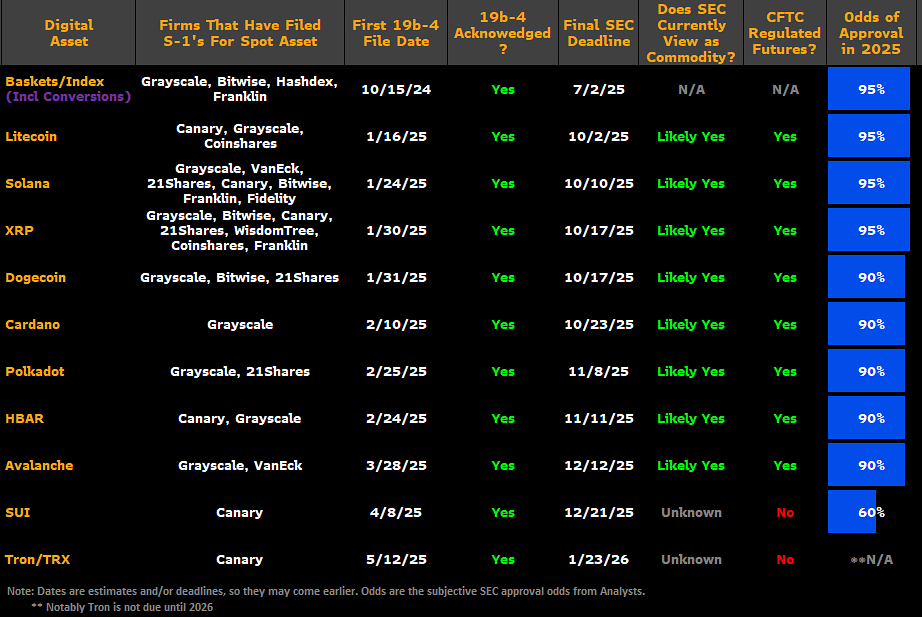
Altcoin ETFs, once a distant hope, now stand on the threshold. Bloomberg’s analysts, Eric Balchunas and James Seyffart, have raised the odds: 90% for memecoins like Dogecoin, and 95% for Solana, XRP, Cardano, and others. The U.S. Securities and Exchange Commission, once cold and distant, now signals a thaw, viewing these tokens as commodities. The question is not if, but when giants like BlackRock will join the race.

On Solana, a new alliance forms. DeFi Dev Corp, a public company amassing Solana in its treasury, partners with the dogwifhat (WIF) community—a memecoin with cultural clout. Together, they launch a validator node, half the profits flowing to the community, half to the company. Institutional-grade infrastructure meets the irreverent spirit of crypto culture, both sides strengthened, Solana’s network secured.
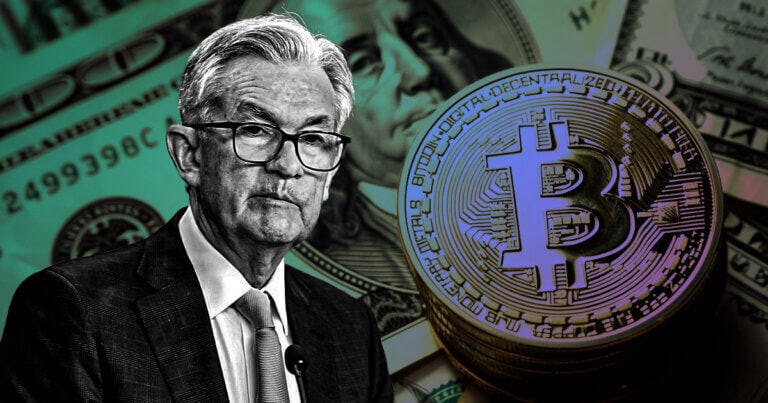
In the halls of power, the winds shift. Federal Reserve Chair Jerome Powell, before Congress, declares that U.S. banks may freely engage with crypto, provided they manage risks and protect consumers. The Fed, FDIC, and OCC have stripped away the old “reputational risk” barriers. The message: crypto is no longer a shadowy outsider, but a participant in the regulated financial system.
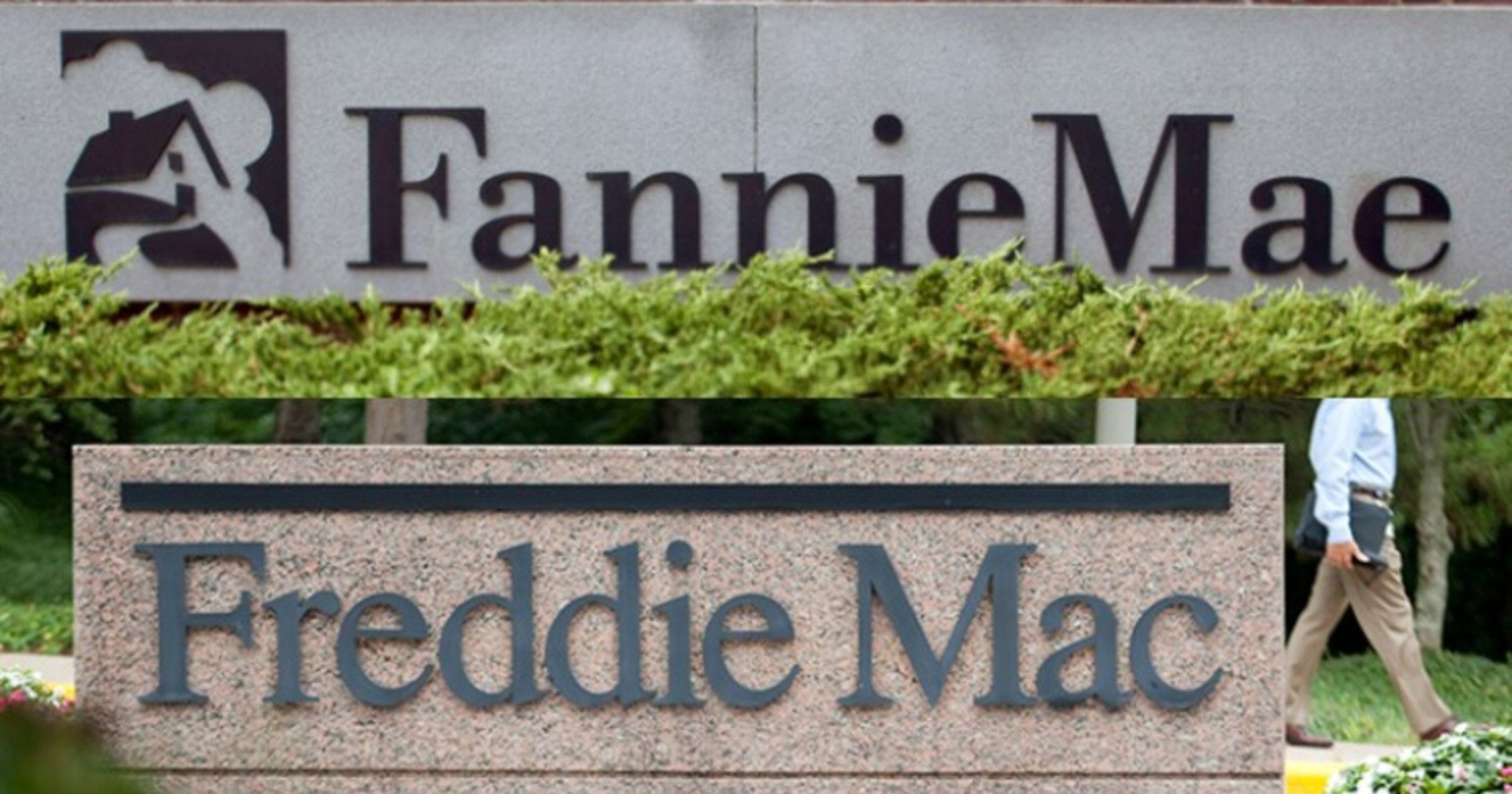
Across the regulatory landscape, another milestone: the director of the U.S. Federal Housing Administration orders mortgage giants Fannie Mae and Freddie Mac to consider crypto holdings when assessing creditworthiness. Crypto, once dismissed as speculative, now stands as collateral for American mortgages. Some call it the year’s most important event, greater even than last year’s approval of spot Bitcoin ETFs.

Elsewhere, the tides of business turn. Parataxis, an American investment firm, acquires South Korea’s Bridge Biotherapeutics, not to make medicine, but to transform it into a Bitcoin treasury. The company will retire its pharmaceutical ambitions, rebrand as Parataxis Korea, and accumulate BTC—an act of financial alchemy in a country where crypto investment remains tightly regulated. The market responds: Bridge’s shares leap 20% in a day.

Yet, not all is growth. In Norway, the government considers a temporary ban on crypto mining, citing energy shortages and public complaints. An investigation looms for autumn. The world’s eyes are on Norway, as it weighs the balance between innovation and infrastructure strain—a debate echoing China and Russia’s earlier bans.

IPO fever sweeps the industry. Following Circle’s triumphant U.S. listing—its shares soaring from $31 to $300 in mere weeks—rumors swirl that OKX, a major exchange, will follow. 2025 may be remembered as the year crypto companies stormed Wall Street, bringing real business models and regulatory transparency, a far cry from the ICO wildness of 2017.
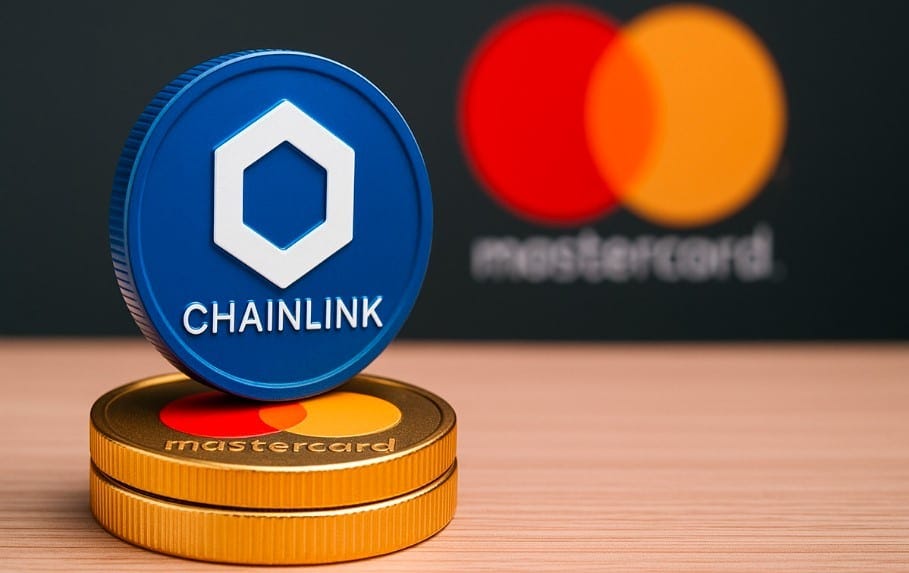
Finally, a bridge between old and new: Chainlink partners with Mastercard, enabling over three billion cardholders to buy crypto on-chain via Swapper Finance. The infrastructure is in place, the rails are laid. Crypto’s reach grows ever wider, its boundaries ever fainter.
The story of this week: boundaries dissolving, alliances forming, and the world’s financial order shifting, one headline at a time.